Here’s What You’ll Learn in This Article
This blog explores the key differences between dark charcoal and natural wood stains for log homes by Caribou Log Homes. You’ll discover how each option influences your home’s aesthetics, maintenance needs, and climate resilience. The article dives into factors like UV protection, heat absorption, and visual impact to help you make a confident decision. By the end, you’ll know which stain best matches your lifestyle, environment, and long-term vision for your log home.
Introduction
Selecting the right exterior stain for your log home is more than a design decision—it’s a long-term investment in appearance, durability, and value. Whether you lean toward a bold dark charcoal finish or the timeless look of natural wood, the stain you choose will shape how your home ages, weathers, and fits within its environment.
In this article, we’ll guide you through the comparison of dark charcoal vs. natural wood stains, helping you understand the implications for your log home built by Caribou Log Homes. You’ll learn how each stain choice affects aesthetics, maintenance, climate performance, and lifestyle fit—so you can move forward with confidence and clarity.
Why the Right Stain Matters for Your Log Home
When you build or restain a log-home exterior, your choice of stain affects several key dimensions:
- Protection – The right exterior stain protects raw wood from moisture, UV rays, insect damage, and surface wear. According to expert log-home builders:
“Clear finishes are generally not recommended for the exterior of the house. Because there is no pigment or ‘suntan lotion’ to protect it… expect more frequent applications for a clear, transparent, or natural stain.” (loghelp.com)
- Aesthetic longevity – The color and tone you select will influence how your home looks for years. As the building-science guide notes:
“The choice of stain/finish color contributes to the overall aesthetic appeal… Light or dark, earth tone or something from the broad spectrum of other hues available, stain/finish color sets the tone, the mood, and the ambience.” (du0a2l7r5sfo3.cloudfront.net)
- Climate and environment fit – Especially for homes in natural settings, like those Caribou Log Homes often builds, the stain must hold up to sunshine, shade, forest cover, and sharp temperature swings. As one log‐home resource advises:
“Each new layer of stain on your logs makes the original wood color and grain definition less noticeable… You can always add more layers of stain to darken … but once you apply a layer, you can’t lighten the color.” (Weatherall)
Given those stakes, choosing between a dark charcoal finish and a natural wood finish isn’t just about style—it’s a strategic decision.
Understanding the Options: Dark Charcoal vs. Natural Wood
What We Mean by “Dark Charcoal”
When we say “dark charcoal,” we refer to a deep-pigmented stain shade often blending charcoal grey, nearly black tones, or very dark brown with grey undertones. As one log cabin resource notes:
“Dark stains … such as walnut, mahogany, or espresso … A bold, dark grey that creates a modern, sophisticated look.” (KY Cabin Care)
In context of a log-home exterior, a dark charcoal stain means the logs will visually recede or create dramatic contrast, offering a more contemporary or lodge-inspired appearance.
What We Mean by “Natural Wood” Finish
A natural wood stain emphasizes the raw log’s inherent grain, color variation, and texture. It may range from clear sealers (though less recommended) to lightly pigmented finishes that maintain the warm amber, honey, or cedar hues of the wood. One log-home builder explains:
“Letting your logs’ natural beauty shine through is also a popular option… This preserves the wood’s authentic grains, knots, and color variations in their original state.” (Corley Designs)
In short: the “natural wood” finish aims for authenticity, rustic charm, and a direct connection to nature.
Aesthetic Implications for Caribou Log Homes
Dark Charcoal: Style & Impact
Opting for dark charcoal on your Caribou log home exterior creates an immediate visual statement. Consider these points:
- Modern lodge look – The deep tone complements modern architecture while keeping the rustic log textures visible. As a designer blog notes:
“Charcoal grey… creates a very modern, sleek look that works particularly well on homes with darker, horizontal logs.” (Corley Designs)
- Contrast and definition – Darker finishes can emphasize the silhouette of the building, the roofline, and the window frames—helping your home stand out in wooded or mountainous terrain.
- Imperfection forgiving – Dark finishes are often better at concealing blemishes, weathering marks, or uneven log coloring. According to one resource:
“Dark stains … can mask imperfections effectively.” (KY Cabin Care)
- Potential heat absorption – Because dark tones absorb more heat, you’ll want to ensure your log home’s stain and seal system is robust for your climate (especially in sun-exposed locations).
Natural Wood: Style & Impact
Choosing a natural wood finish offers a different set of visual benefits:
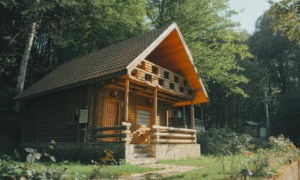
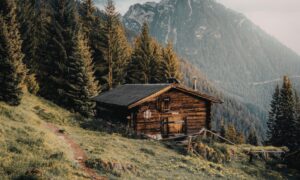
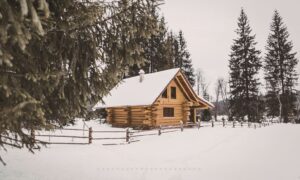
- Timeless charm – Preserving the wood’s natural tone aligns with the traditional log-home aesthetic and blends into natural surroundings without overpowering.
- Grain and character visible – The knots, textures, and wood species attributes remain front-and-center—ideal if your logs are high-quality and you want the wood itself to shine.
- Light-reflecting and cooler – Lighter tones reflect more sunlight, which can help with heat absorption and fading, particularly in high-UV environments.
- Maintenance and fading caution – Because natural or lightly pigmented stains have reduced hiding power for UV damage, you may see more visible fading or color shifts over time. One study warns:
“Using a clear finish means reapplying more often … may only last 6 months to a year under full sunlight.” (loghelp.com)
Performance & Practical Considerations
Climate, Sun Exposure & Maintenance
- Sun exposure: Strong sunlight accelerates UV damage. Dark charcoal might hold up well but will heat up; natural wood may reflect more light but fade faster without pigment.
- Moisture and climate: Regardless of color, your stain must protect logs from water intrusion, swelling, and decay. A reputable stain system is key. For example, one supplier notes:
“With both oil and water-based products … cabin owners … have stain selection they need for long-lasting protection and visual appeal.” (Western Log Home Supply)
- Maintenance schedule: Lighter, natural finishes often require more frequent reapplication. Dark finishes might mask wear longer but still need proper inspection and maintenance.
Log Type, Site Conditions & Material Match
- Test first: Different wood species ($\rightarrow$ pine, cedar, spruce) absorb stains differently. As one colour-selection guide explains:
“The same colour stain can look remarkably different on different types of wood… Always test a sample or do a test patch.” (resene.com)
- Existing finish or change‐over: If you’re restaining and changing from light to dark (or vice versa), removal of the previous layer may be necessary. One log-home resource states:
“You can add more layers of stain to darken the appearance of the wood … but once you apply a layer, you can’t lighten the color.” (Weatherall)
- Site terrain and foliage: If your Caribou home is nestled among timber or forested surroundings, a natural finish may help it blend. A dark charcoal might open it up visually and create contrast.
Maintenance & Longevity Strategies
Proper Preparation & Application
Regardless of color choice, proper surface prep and application are fundamental. One log-home blog advises:
“Once you have inspected the surface of the logs … you are ready to reapply the topcoat. … Use a quality exterior stain on all visible surfaces with an even stroke and uniform coverage.” (Frontier Log Homes)
Key steps include:
- Cleaning logs thoroughly (pressure wash, remove old finish residuals)
- Inspecting and repairing any damage or log movement
- Applying stain under correct weather conditions—ideally moderate temperature, not direct harsh sunlight, low humidity
- Following manufacturer’s coverage rates and recommendation for number of coats
Monitoring & Re-Coating
Set a log-home maintenance schedule:
- Annual inspection of problem areas (south/west facing logs, roof overhangs)
- Re-coat or touch up every 2-4 years for lighter natural stains, possibly every 4-6 years for very pigmented or dark finishes—depending on wear.
- Promptly treat any areas where seal is waning (e.g., under eaves, around windows) to prevent water intrusion.
Trim & Accent Coordination
If you choose dark charcoal stain, consider how trim, windows, doors, and fixtures will contrast or coordinate. With natural wood stains, highlight elements like railings and beams may be painted or stained darker to create visual balance.
Decision-Making Checklist for Your Caribou Log Homes Exterior
Here is a practical list to run through before you decide between dark charcoal or natural wood stain:
| Question | Dark Charcoal Answer | Natural Wood Answer |
|---|---|---|
| Am I going for a modern or rustic look? | Modern, bold, high-contrast | Traditional, rustic, blended with nature |
| Is my site sun-exposed and high-UV? | Yes → choose high quality pigments and seal | Yes → opt for pigment within “natural” or slightly tinted finishes |
| Do I have logs with character and grain I want to highlight? | Maybe less visible under dark tone | Yes → natural finish lets grain show |
| Do I want low-maintenance / hide imperfections? | Dark might hide better | Natural may show fading and wear more |
| Do I plan to keep this color for 10+ years? | Dark tones require matching future full-re-coat | Lighter may allow re-coats but expect shorter intervals |
Final Thoughts
Choosing between a dark charcoal stain and a natural wood finish for your Caribou Log Homes exterior is a strategic decision that affects style, longevity, and maintenance. A dark charcoal finish delivers bold aesthetics and strong masking of imperfections, while a natural wood finish reveals the innate beauty of raw logs and offers timeless appeal.
Whichever direction you choose, the key is to select a high-quality log-home stain system, prepare the surface properly, and stay consistent with maintenance. With that foundation, your log home exterior will stand up not just to seasons—but to decades of enjoyment.
Ready to take the next step? Choose a sample board, test both stain options under your actual site lighting, visualize the impact on your home’s setting, and partner with your Caribou Log Homes build team to execute with precision. Your gorgeous log-home exterior awaits.
FAQs
1. Can I switch from a natural wood finish to a dark charcoal stain later?
Yes—but it requires more prep work. If your logs currently have a light or natural finish, moving to dark means ensuring full coverage, possibly removing the old coating, and allowing for multiple coats so the dark charcoal fully saturates and hides the prior tone. (Weatherall)
2. Does a dark charcoal stain mean higher maintenance because it shows dust, pollen, or heat damage?
Potentially yes. Dark finishes can show surface dirt or pollen more visibly, especially in woodland settings. Also, because they absorb more heat, you’ll want to ensure your log-seal system is robust to handle thermal expansion and contraction.
3. If I go with a natural wood finish, how often will I need to re-stain?
Naturally finished logs often need more frequent maintenance—typically every 2-4 years under high exposure. The pigment content is lower, and UV degradation occurs faster without strong pigment layers. (loghelp.com)
4. Should I test stain samples on my logs before committing?
Absolutely. Different wood species, mill finishes, log sizes, and sun exposures affect how the stain appears. According to colour-selection guidelines:
“Always test a sample or do a test patch when changing the stain colour.” (resene.com)
5. Which colour choice is better for resale value and long-term appeal?
Both can work well—but natural wood finishes typically appeal to a broader traditional audience, while dark charcoal appeals to those seeking more modern or upscale log-home design. Choose what best fits your home’s architecture and the surrounding landscape, and quality of the stain/application matters more than the exact tone.