Here’s What You’ll Learn in This Article
This guide breaks down how climate affects every stage of building a log home, from choosing the right wood species to designing for insulation, moisture control, and long term durability. You’ll learn how different environments shape construction decisions and how smart planning ensures efficiency, comfort, and resilience in every season.
Introduction
Building a log home is an exciting journey, but creating one that feels comfortable and performs well in any climate requires thoughtful planning, careful material selection, and smart design. Caribou Log Homes has seen how location shapes every aspect of a log home—from the type of logs chosen to the insulation methods that keep homes stable and energy efficient. Understanding how climate affects structure and comfort ensures a beautiful, long lasting retreat and protects your investment for decades. That is why incorporating climate considerations into every step of log home construction is essential.
Whether building in snowy mountain regions, desert environments, coastal areas, or humid southern climates, certain principles guide every decision. These principles help ensure the home remains resilient, energy efficient, and enjoyable in every season.
Why Climate Matters When Building a Log Home
Every climate presents its own challenges. In cold regions, retaining warmth is critical. In hot dry areas, preventing heat gain during the day matters most. In humid climates, moisture control and steady airflow are essential. Without climate aware planning, homes may experience high utility bills, rapid weathering, cracking, mold growth, or uncomfortable temperature swings.
Data from the United States Department of Energy Energy Saver reports that homes designed with climate responsive principles can reduce energy use by up to fifty percent compared to homes built without climate consideration.
Choosing the right logs, finishes, rooflines, and structural features dramatically impacts long term performance. While wood offers natural insulation, informed construction decisions fine tune energy efficiency, durability, and comfort.
Step One: Choose the Right Log Species for Your Region
Not all wood species perform equally in every environment. Selecting logs that align with the local climate ensures stability and longevity.
For Cold or Mountain Regions
- Douglas Fir
- Western Red Cedar
- Lodgepole Pine
These species provide excellent natural insulation, low moisture content, and strong resistance to temperature shifts.
For Hot and Dry Regions
- Cedar
- Cypress
- Spruce
These woods resist cracking and shrinking under intense sunlight and low humidity.
For Humid or Coastal Climates
- Cedar
- Cypress
- Tidewater Red Cypress
These species naturally resist moisture, decay, and insects, reducing long term maintenance challenges.
Learning these differences ensures homes remain stable even in extreme weather conditions.
Step Two: Design the Home Around Seasonal Conditions
Design choices significantly influence how a home performs in its environment. A climate aware layout accounts for wind direction, sunlight patterns, and ground moisture.
Smart Design Principles
- Position large windows on sides with desirable light
- Add roof overhangs to shield walls from rain or snow
- Plan ventilation paths to maximize airflow in warm climates
- Choose foundation types that reduce moisture risks in damp areas
Research from Green Building Advisor shows that passive design strategies can reduce heating and cooling costs by thirty to forty percent.
Designing with climate in mind ensures a home that works with nature rather than against it.
Step Three: Use Proper Insulation Methods Based on Climate
Logs offer natural insulation, but additional measures enhance energy efficiency.
Cold Climates
- High quality insulation in roof cavities
- Triple pane windows
- Insulated doors with weather seals
- Tight fitting joinery to prevent air leaks
Hot or Desert Climates
- Reflective roofing materials
- Increased roof insulation
- Deep overhangs to block direct sunlight
- Cross ventilation for natural cooling
Humid or Coastal Climates
- Vapor barriers to control moisture
- Moisture resistant insulation
- Breathable finishes to prevent water buildup
- Maintain space around logs for airflow
Applying these techniques during construction maintains comfort and stability year round.
Step Four: Protect the Home With Climate Appropriate Finishes
Exterior finishes are the first defense against the elements. High quality stains and sealants preserve logs and extend their lifespan.
What to Look For
- UV resistant coatings for sunny climates
- Water resistant finishes for wet environments
- Breathable formulas to allow moisture escape
- Durable exterior stains rated for harsh weather
Log Home Living provides reviews and guidance on finishes optimized for specific climates.
Step Five: Manage Moisture Effectively
Moisture is a primary threat to any log home, particularly in humid or rainy climates. Proper methods prevent mold, decay, and air quality issues.
Important Moisture Control Steps
- Ensure proper drainage around the home
- Build raised foundations in wet areas
- Add gutters and downspouts to direct water away
- Seal entry points where water might collect
- Use ventilation systems in kitchens and bathrooms
The Environmental Protection Agency notes that effective moisture management significantly reduces structural and indoor air problems.
Step Six: Use Roof Design to Your Advantage
Roof design influences energy use, weather protection, and structural integrity.
Cold or Snowy Climates
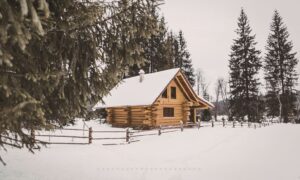
- Steep roof pitches to prevent snow buildup
- Metal roofing for easy snow slide
- Strong structural support for heavy loads
Hot or Sunny Climates
- Light colored roofing reflects heat
- Extended rooflines provide shade
- Ventilated attics improve airflow
Rainy or Humid Climates
- Wide overhangs protect logs from water
- Weather resistant roofing materials
- Flashing systems prevent leaks
Tailoring roof design to climate maximizes long term home performance.
Step Seven: Plan for Seasonal Wear and Long Term Maintenance
Maintenance varies by location. Cold regions require winter inspections, hot regions need UV protection, and humid regions need consistent moisture control.
Examples
Cold Regions
- Inspect for draft points before winter
- Monitor freeze related cracks
- Check roof load during snow season
Hot Regions
- Refresh UV protective finishes
- Inspect logs for excessive drying
Humid Regions
- Check for surface moisture and mildew
- Clean and reseal exterior logs
- Improve airflow in shaded areas
Homes built for their climate from the start simplify long term maintenance.
Final Thoughts
Building a log home designed for the local climate is one of the smartest choices a homeowner can make. Every decision, from log species to insulation and finishes, shapes comfort, durability, and energy efficiency through winter storms, heat waves, and seasonal changes. Climate responsive strategies result in a home that feels stable, efficient, and comfortable year round.
Caribou Log Homes provides expert guidance and design services for climate responsive log homes. Explore their full climate responsive building resource guide to start planning a home built for your exact location.
Frequently Asked Questions
Q1 What climate is best for a log home
Log homes perform well in nearly all climates when built with the right materials and design considerations. The key is matching the construction style to the environment.
Q2 How do I prevent moisture damage in a humid climate
Moisture control begins with proper drainage, vapor barriers, strategic ventilation, and water resistant finishes.
Q3 Does the type of wood really matter based on climate
Yes. Each wood species responds differently to temperature, humidity, and sunlight. Choosing the right one improves stability and durability.
Q4 How often should I reapply exterior finishes
Most log home finishes need refreshing every two to five years depending on the climate and the quality of the products used.
Q5 Can a log home be energy efficient in very cold regions
Absolutely. With the right insulation, roof design, and airtight construction, log homes excel in retaining warmth and reducing energy costs.