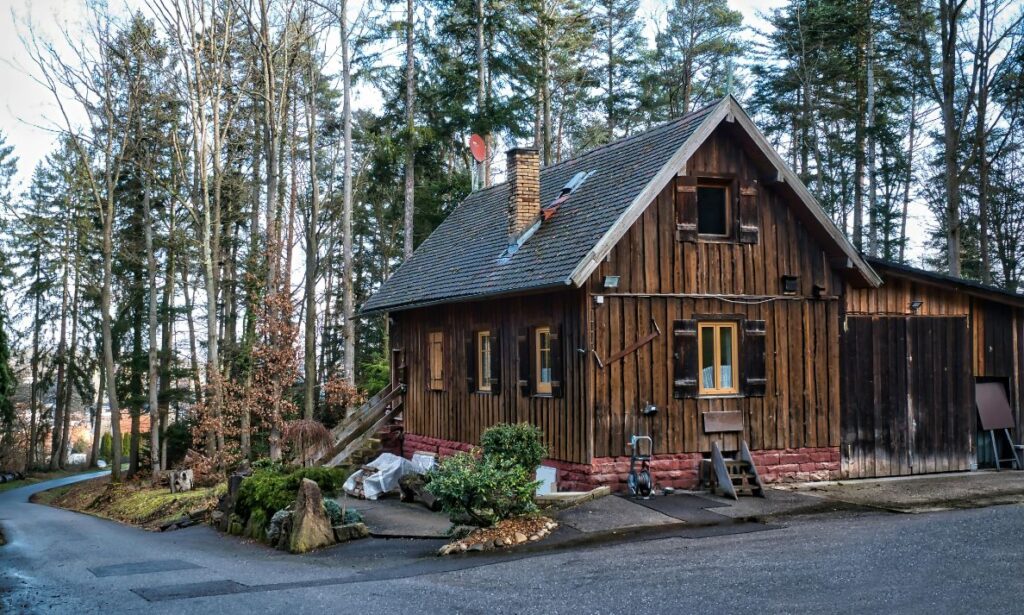
Quick Summary: What This Blog Covers
This blog explores the evolving future of log homes architecture, highlighting how modern designs blend tradition with sustainability, energy efficiency, and smart home technology. It covers customization, integration with natural landscapes, health benefits, and how log homes meet contemporary lifestyle and eco-friendly priorities.
Introduction
Nature-inspired design has always held a special place in architecture, blending functionality with aesthetics that honor the environment. Among these designs, log homes have emerged as a timeless yet increasingly modern solution. With a growing focus on sustainability, energy efficiency, and connection to natural surroundings, log homes architecture future is poised to become a cornerstone of eco-friendly residential design. At Caribou Log Homes, we explore how log homes are evolving to meet contemporary needs while maintaining their classic charm.
Why Nature-Inspired Architecture Matters Today
Modern homeowners increasingly value spaces that harmonize with the environment. This shift is driven by:
- A desire for sustainable and energy-efficient living
- Health-conscious choices emphasizing natural materials
- Growing interest in outdoor living and scenic integration
- Architectural trends that prioritize comfort and wellbeing
Nature-inspired architecture, including log homes, provides warmth, authenticity, and durability, aligning with these lifestyle priorities.
“Architecture that respects nature isn’t just aesthetic—it promotes mental health, reduces energy consumption, and fosters sustainable living.” — American Institute of Architects
1. The Enduring Appeal of Log Homes
Log homes have captivated homeowners for generations. Their enduring appeal lies in:
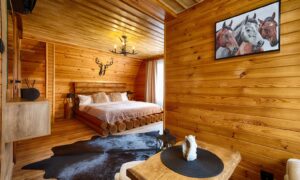
- Natural Beauty — Exposed logs create a warm and inviting aesthetic
- Durability — Properly maintained log homes can last for decades
- Energy Efficiency — Thick logs provide natural insulation, reducing heating and cooling costs
- Versatility — Designs range from rustic cabins to contemporary multi-level homes
Log homes exemplify the principle that architecture can coexist with nature rather than dominate it.
2. Modern Innovations in Log Home Design
2.1 Energy-Efficient Materials
While traditional log homes relied solely on timber, modern designs incorporate:
- High-performance insulation
- Double or triple-glazed windows
- Eco-friendly finishes that protect wood while minimizing environmental impact
These innovations enhance both comfort and energy savings without sacrificing style.
2.2 Smart Home Integration
Technology is becoming standard in new log home designs:
- Automated climate control systems
- Energy monitoring for sustainability
- Security and lighting automation
Integrating smart features ensures that log homes remain contemporary while retaining natural appeal.
2.3 Flexible Floor Plans
Modern log homes embrace open concepts and multi-functional spaces:
- Loft areas for offices or entertainment
- Large kitchens designed for gatherings
- Outdoor living spaces seamlessly connected to interiors
Flexibility in design allows homeowners to adapt spaces to evolving lifestyle needs.
3. Sustainability and Eco-Friendliness
Sustainability is central to the log homes architecture future. Key factors include:
- Renewable Resources — Timber is a renewable material when sourced responsibly
- Carbon Sequestration — Wood naturally stores carbon, reducing environmental impact
- Minimal Construction Waste — Prefabricated log components reduce waste compared to traditional framing
By choosing sustainable practices, log homes align with global efforts to reduce the carbon footprint of residential construction.
4. Integration with Natural Landscapes
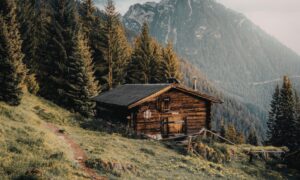
Log homes are particularly suited to sites surrounded by forests, mountains, or lakes. Custom design allows:
- Strategic window placement for panoramic views
- Outdoor decks and patios that connect indoor and outdoor living
- Landscaping that complements the home without disrupting ecosystems
This integration strengthens the bond between architecture and nature, a hallmark of modern eco-friendly design.
5. Health and Wellbeing Benefits
Living in a log home offers tangible benefits for wellbeing:
- Biophilic Design — Natural materials and light exposure reduce stress and promote mental health
- Air Quality — Properly treated timber can improve indoor air quality by reducing chemical pollutants
- Temperature Regulation — Thermal mass of logs helps maintain stable indoor temperatures
These elements show that log homes aren’t just visually appealing—they contribute to healthier living environments.
6. Technological Advancements Shaping the Future
The future of log homes architecture future involves advanced technology:
6.1 Precision Milling and Prefabrication
Modern log homes benefit from CNC milling and prefabricated components, which:
- Improve structural accuracy
- Reduce construction time
- Minimize waste and environmental impact
6.2 Energy Modeling Software
Builders use simulation tools to optimize:
- Insulation and heating efficiency
- Solar orientation for natural light and warmth
- HVAC system performance
6.3 Modular and Custom Options
Modular log homes allow scalable designs tailored to each homeowner’s preferences, ensuring every project is unique while maintaining efficiency and quality.
7. Combining Tradition with Contemporary Style
One of the most exciting aspects of modern log homes is their versatility in style:
- Rustic Charm — Preserving traditional log aesthetics with exposed beams and natural wood finishes
- Modern Minimalism — Sleek interiors and large glass panels that emphasize simplicity and openness
- Hybrid Designs — Combining stone, metal, and wood for a balanced aesthetic that suits urban or rural settings
This blend of traditional and contemporary design demonstrates that log homes can evolve without losing their essence.
8. The Role of Customization
Customization is key in determining the success of modern log homes:
- Tailored floor plans for lifestyle and functionality
- Personalized finishes and materials
- Energy-efficient solutions specific to local climate
- Unique layouts that maximize natural views and light
By embracing customization, homeowners achieve spaces that are not only beautiful but highly practical.
9. Economic and Market Considerations
Log homes are increasingly appealing as buyers prioritize:
- Sustainable living and energy savings
- Homes that offer long-term durability and lower maintenance costs
- Unique architectural statements that differentiate from standard construction
With eco-friendly housing on the rise, log homes represent a strong investment in both lifestyle and property value.
Conclusion
The log homes architecture future is bright, blending tradition, innovation, and sustainability. Modern log homes offer unmatched versatility, energy efficiency, and integration with natural surroundings, positioning them as a top choice for homeowners seeking connection with nature without sacrificing modern comforts. At Caribou Log Homes, we specialize in designing and building custom log homes that reflect these principles, offering clients tailored solutions that balance aesthetics, functionality, and environmental responsibility.
Whether you’re dreaming of a rustic cabin retreat or a contemporary nature-inspired residence, log homes are paving the way for future-forward, sustainable architecture. Begin your journey today by exploring custom log home design with Caribou Log Homes and discover a home where comfort, style, and nature coexist seamlessly.
Frequently Asked Questions (FAQs)
Q1: Are log homes suitable for all climates?
Yes, modern log homes can be designed to suit a wide range of climates, with insulation, roofing, and construction techniques tailored to local conditions.
Q2: How do log homes contribute to sustainability?
They use renewable materials, store carbon, and can incorporate energy-efficient systems and sustainable landscaping practices.
Q3: Can log homes incorporate modern technology?
Absolutely. Smart home systems, energy monitoring, and automated climate control can all be integrated seamlessly.
Q4: Are log homes more expensive than conventional homes?
Costs vary depending on design complexity and customization, but energy savings and durability often offset initial investment over time.
Q5: What makes a log home a good long-term investment?
Their durability, sustainability, aesthetic appeal, and increasing market demand make log homes a strong investment for homeowners seeking long-lasting value.