Here’s What You’ll Learn in This Article
How Utah’s four-season climate directly influences cabin layout, insulation, roofing, and material choices. Why climate responsive design is essential for year-round comfort, energy efficiency, and durability. The role of smart window placement, heating and cooling systems, and outdoor living spaces in seasonal performance. And how customized cabin design ensures long-term value across Utah’s diverse regions.
Introduction
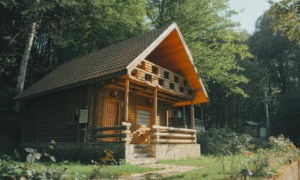
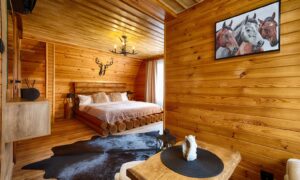
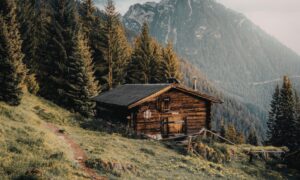
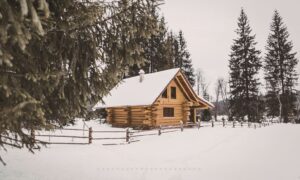
Utah’s landscape is as diverse as its seasons. Snowy winters, vibrant springs, dry summers, and colorful autumns all place different demands on a cabin’s structure, materials, and layout. Designing a cabin that feels comfortable, efficient, and visually appealing year-round requires thoughtful planning and a deep understanding of local climate patterns. This is where seasonal cabin design Utah becomes essential rather than optional.
At Caribou Log Homes, cabins are designed to adapt seamlessly to Utah’s changing seasons while preserving the timeless beauty of log home architecture. From insulation strategies to roof design and interior layouts, every decision plays a role in creating a cabin that performs just as well in January as it does in July.
This guide explores how to design a cabin that truly fits every season in Utah, combining durability, comfort, and long-term value.
Understanding Utah’s Four-Season Climate
Utah’s climate varies by elevation and region, but most areas experience:
- Cold, snowy winters with freezing temperatures
- Mild but unpredictable springs
- Hot, dry summers with strong sun exposure
- Cool, crisp autumns with fluctuating temperatures
These seasonal shifts impact how a cabin should be built, insulated, oriented, and maintained. A successful seasonal cabin design Utah approach considers all four seasons from the very beginning.
“Buildings designed with climate responsiveness perform better, last longer, and reduce long-term energy costs.”
Source: U.S. Department of Energy
1. Choosing the Right Cabin Layout for Year-Round Living
A cabin’s layout influences airflow, heat retention, and overall comfort across seasons.
1.1 Open Floor Plans with Purpose
Open layouts are popular in cabin design, but they must be balanced with function.
Key considerations include:
- Central living spaces that retain heat in winter
- Defined zones to prevent heat loss in larger interiors
- Strategic placement of staircases and lofts to manage airflow
Open spaces paired with smart zoning help cabins remain cozy in winter and breathable in summer.
1.2 Entryways and Mudrooms
Utah winters make transitional spaces essential.
A well-designed cabin includes:
- Enclosed entryways to block cold air
- Mudrooms for snow gear and wet boots
- Storage that prevents moisture from entering living areas
These features protect interior comfort and extend the life of materials.
2. Insulation Strategies That Work in Every Season
Insulation is the backbone of seasonal cabin design Utah.
2.1 Log Wall Performance
Log walls naturally provide thermal mass, helping regulate indoor temperatures.
Benefits include:
- Heat absorption during the day
- Slow heat release at night
- Reduced temperature swings
Proper log sizing and sealing enhance these natural advantages.
2.2 Roof and Ceiling Insulation
Heat rises, making roof insulation critical.
Effective solutions include:
- High R-value insulation in ceilings
- Ventilated roof systems to prevent ice dams
- Durable underlayment for snow protection
According to Energy Star, proper insulation can reduce heating and cooling costs by up to 20 percent.
3. Roof Design for Snow, Sun, and Rain
Utah cabins must handle snow loads, intense sunlight, and seasonal storms.
3.1 Steep Roof Pitches
Steeper roof designs offer:
- Faster snow shedding
- Reduced risk of ice buildup
- Improved longevity of roofing materials
3.2 Overhangs and Eaves
Extended overhangs provide year-round benefits:
- Shade during hot summer months
- Protection from rain and snow runoff
- Reduced UV exposure to log walls
These elements support durability while enhancing visual appeal.
4. Window Placement and Natural Light Management
Windows influence comfort, energy efficiency, and seasonal usability.
4.1 Solar Orientation
South-facing windows help:
- Capture winter sunlight for passive heating
- Reduce heating costs
- Create brighter interiors during shorter days
4.2 Energy-Efficient Glazing
High-performance windows are essential.
Look for:
- Double or triple-pane glass
- Low-E coatings
- Proper sealing to prevent drafts
“Energy-efficient windows can reduce household energy bills by up to 15 percent.”
Source: Energy.gov
Window design plays a major role in achieving true seasonal cabin design Utah success.
5. Heating and Cooling Systems That Adapt
Utah cabins require systems that handle both extremes efficiently.
5.1 Heating Solutions
Common options include:
- High-efficiency fireplaces or wood stoves
- Radiant floor heating
- Zoned HVAC systems
These systems provide warmth without excessive energy consumption.
5.2 Cooling and Ventilation
Summer comfort depends on:
- Cross-ventilation through window placement
- Ceiling fans to circulate air
- Energy-efficient air conditioning when needed
Balancing heating and cooling ensures year-round comfort without overreliance on mechanical systems.
6. Material Selection for Seasonal Durability
Materials must withstand temperature swings, UV exposure, and moisture changes.
6.1 Exterior Finishes
Durable finishes protect logs from:
- Sun damage
- Moisture penetration
- Seasonal expansion and contraction
Regular maintenance extends the lifespan of natural materials.
6.2 Interior Materials
Inside the cabin, materials should offer:
- Warmth in winter
- Breathability in summer
- Resistance to seasonal humidity changes
Natural wood, stone, and breathable finishes support comfort and longevity.
7. Outdoor Living Spaces for Every Season
A true four-season cabin extends beyond interior walls.
7.1 Covered Decks and Porches
Covered outdoor spaces provide:
- Shade in summer
- Shelter during rain and snow
- Usable outdoor areas year-round
7.2 Fire Features and Heating
Outdoor fireplaces or heaters:
- Extend patio use into cooler months
- Create gathering spaces in all seasons
Thoughtful outdoor design enhances the cabin experience beyond interior living.
8. Storage and Utility Planning
Seasonal living requires adaptable storage.
Effective cabin designs include:
- Space for winter equipment and firewood
- Storage for summer gear and tools
- Utility rooms that remain accessible year-round
Smart storage planning reduces clutter and improves seasonal transitions.
9. Customization Based on Utah Location
Utah’s regions vary significantly in elevation and weather patterns.
Design considerations should account for:
- Snow loads in mountain regions
- Heat exposure in southern Utah
- Wind patterns in open landscapes
Customization ensures each seasonal cabin design Utah project performs optimally in its specific environment. This is where experienced builders like Caribou Log Homes provide the most value, tailoring every detail to the site and climate.
Conclusion
Designing a cabin that fits every season in Utah requires more than aesthetic choices. It demands a climate-aware approach that balances insulation, layout, materials, and systems to deliver comfort year-round. From snow-ready roofs to summer-friendly ventilation, each element plays a role in long-term performance and enjoyment.
A well-executed seasonal cabin design Utah strategy results in a cabin that feels warm in winter, cool in summer, and inviting in every season between. For homeowners seeking a timeless yet practical retreat, working with experienced log home designers ensures that every detail supports both beauty and durability. Discover how thoughtful seasonal design can transform your vision into reality by exploring custom cabin solutions with Caribou Log Homes.
Frequently Asked Questions
1. How do cabins stay warm during Utah winters?
Proper insulation, thermal mass from log walls, efficient heating systems, and tight construction help cabins retain warmth during cold months.
2. Can a cabin remain cool without constant air conditioning?
Yes. Strategic window placement, ventilation, shading, and roof design significantly reduce heat buildup during summer.
3. Are log cabins suitable for all Utah regions?
With proper customization, log cabins can be designed to perform well in mountain, desert, and valley environments across Utah.
4. How important is roof design for seasonal performance?
Roof pitch, insulation, and ventilation are critical for managing snow loads, heat, and moisture year-round.
5. Does seasonal cabin design increase long-term value?
Yes. Climate-responsive design reduces maintenance costs, improves energy efficiency, and enhances long-term durability.