Quick Summary: What This Blog Covers
This blog explains how natural stone, live-edge wood, plants, water features, lighting, and other natural elements can transform a log home entryway. It also covers practical design tips for creating a warm, functional, and welcoming entrance that complements your cabin’s natural architecture.
Introduction
You built your beautiful log cabin and now you are looking at your entryway thinking it needs something. The logs are gorgeous. The space is inviting. But it feels like something is missing. Your entryway does not quite say welcome yet. It does not feel like the special retreat you imagined.
The good news is you can transform your log home entryway into something amazing using natural elements that complement your log construction. Natural stone. Live edge wood. Real plants. Water features. Reclaimed materials. All of these things work with log architecture to create entryways that feel incredible.
An entryway is the first thing people experience when they enter your cabin. It sets the tone for everything else. An entryway done right makes people feel like they have arrived somewhere special. An entryway done wrong makes your cabin feel incomplete even if everything else is beautiful.
Most log home owners do not know where to start with entryway design. They are not sure which natural elements work best. They do not know how to combine elements without creating clutter. They end up with entryways that feel empty or confused instead of welcoming and intentional.
Caribou Log Homes helps clients design stunning log home entryways that use natural elements to enhance the log architecture. The team knows exactly which elements work together. The team knows how to create entryways that feel warm and inviting without looking overdone. This guide walks you through exactly how to dress up your log home entryway with natural elements to create a space that makes everyone feel welcome.
Starting with your log home architecture as the foundation
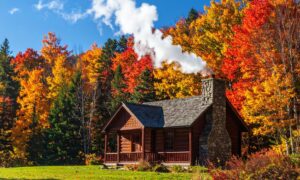
Your log structure is already beautiful and natural. Your entryway design should complement and enhance that beauty, not compete with it. Everything you add should work with your logs, not against them.
Start by observing your logs. What color are they. What texture do they have. Are they weathered or more golden. Are they large timbers or smaller diameter logs. Your natural element choices should harmonize with your existing logs.
If your logs are warm golden tones, choose entryway elements in warm earth tones. If your logs are weathered gray, choose cooler grays and silvers. If your logs are massive and bold, choose substantial statement pieces. If your logs are delicate and refined, choose more subtle elements.
Your log architecture is your foundation. Everything else builds from there.
Creating intentional contrast
You can also use entryway elements to create intentional contrast with your logs. Dramatic black stone against golden logs creates striking visual interest. Polished elements against rough logs creates unexpected sophistication.
But contrast should be intentional and purposeful, not accidental. One statement piece creating contrast works. Multiple competing contrasts create confusion.
Caribou Log Homes helps clients balance complementing their logs with creating intentional design moments through thoughtful element choices.
Natural stone creates powerful impact
Stone is one of the best natural elements for log home entryways. Stone anchors the space. It adds weight and substance. It creates a natural transition from outside to inside.
Use stone for your entryway flooring. Slate. Flagstone. River stone. Stone tiles. Natural stone flooring connects your cabin to the landscape. It feels grounded and solid.
You can also use stone for accent walls. A stacked stone feature wall behind your entry door creates drama. A fireplace focal point in your entryway anchors the entire space. Stone columns framing your entry door add grandeur.
Choosing the right stone for your space
Different stones work better in different settings. Smooth river stones feel sophisticated. Rough stacked stone feels rustic. Polished slate feels more refined than unfinished flagstone.
Think about the mood you want to create. A formal mountain lodge entryway calls for different stone than a cozy cabin getaway. Let your intended mood guide your stone selection.
Stone also weathers beautifully. Over years your stone entryway gains character and patina. Stone that looked perfect when installed looks even better after years of use.
Wood elements beyond your log walls
Live edge wood slabs create stunning statement pieces in log entryways. A live edge console table. A live edge mirror frame. A live edge bench. These pieces celebrate natural wood while adding functionality.
Live edge wood brings warmth and movement to your space. The natural edge of the wood creates organic flowing lines. Each piece is unique. Your entryway feels one of a kind.
Reclaimed wood also works beautifully. Old barn wood. Salvaged flooring. Reclaimed beams. These materials carry history. They add character that new wood cannot match.
Mixing wood tones thoughtfully
Your log walls are one wood tone. Your entryway pieces might be different tones. This mix can work beautifully if done intentionally.
Lighter live edge wood against darker logs creates striking contrast. Darker reclaimed wood against lighter logs creates cozy richness. Multiple wood tones create visual interest if they are chosen to complement each other.
Avoid random mismatched tones that look accidental. Choose wood elements that work as a cohesive palette with your existing logs.
According to design principles from the American Institute of Architects, entryway focal points using natural materials increase perceived value of residential spaces by up to 35 percent and enhance overall home aesthetic satisfaction significantly.
Living plants bring your entryway to life
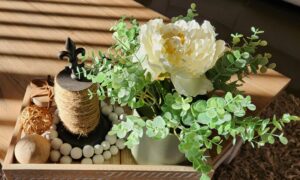
Real plants transform entryways from static spaces into living spaces. Potted plants flanking your entry door. Hanging plants from your entryway ceiling. A living green wall if you have the right conditions.
Plants add color and softness. They create welcoming energy. They literally freshen your air. People respond positively to plants at entryways.
Choose plants that tolerate your entryway conditions. If your entry gets lots of natural light, use plants that love sun. If it is more shaded, choose shade tolerant plants. Indoor entryways need plants that thrive indoors. Covered porch entryways might accommodate different plants.
Seasonal plant rotation keeps things fresh
You do not need the same plants year round. Rotate seasonal plants through your entryway. Spring flowers. Summer greenery. Fall foliage. Winter evergreens. Seasonal rotation keeps your entryway feeling current and connected to the season.
This does not require tons of work. Simple pot swaps twice a year keeps your entryway looking intentional and seasonal.
Caribou Log Homes recommends integrating plants into your entryway design from the beginning so planting locations are planned.
Water features add movement and sound
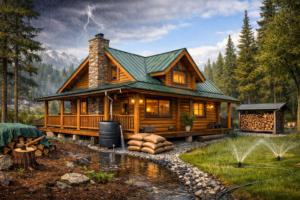
A small water feature in your entryway creates sensory richness. A bubbling fountain. A small stream. A birdbath if your entryway is covered.
Water features create gentle sound and movement. They attract birds and wildlife. They add life to your entryway.
Water features do not need to be elaborate. A simple fountain on a side table works beautifully. A modest stream running through your entryway creates drama without overwhelming the space.
Considering maintenance and climate
Water features require maintenance. They need regular cleaning. They need water level monitoring. In cold climates they might freeze in winter.
Think about climate when choosing your water feature. Outdoor features in freezing areas need seasonal attention. Indoor features are easier to maintain year round.
Do not add a water feature just because it looks good if you are not willing to maintain it. An unmaintained water feature looks worse than no feature at all.
Natural light and windows frame your entryway
How light moves through your entryway matters as much as what you put in it. Windows that frame views. Skylights that bring in overhead light. Glass panels in doors that let light flow through.
Natural light showcases your stone and wood and plants beautifully. Light also makes your entryway feel open and welcoming instead of dark and confined.
If your entryway is limited on natural light, consider adding skylights or additional windows during your cabin design or renovation. Better entryway light transforms the entire space.
Textural layering creates depth
Combine different textures to create visual interest. Smooth stone with rough wood. Soft plants with hard stone. Polished surfaces with weathered elements.
Texture variation keeps your eye moving through the space. It makes entryways feel more sophisticated and intentional.
But do not layer so many textures that the space feels chaotic. Three or four texture types work beautifully. Too many textures create confusion.
Functional elements become design features
Your entryway needs function. Somewhere to sit and remove boots. Somewhere to hang coats. Somewhere to store things temporarily. Make these functional elements work as design features.
A reclaimed wood bench becomes a beautiful focal point while providing seating. A weathered coat rack becomes an art piece while serving its purpose. A woven basket collection becomes visual interest while storing items.
Function and beauty work together. Your functional entryway pieces should be beautiful enough to look intentional.
Creating a welcoming coat and boot zone
Muddy boots and wet coats do not look good anywhere. Create a dedicated zone for this reality. Boot trays. Coat hooks. A mudroom area. This prevents your beautiful entryway from becoming a disaster zone.
Make this zone part of your design not an afterthought. Beautiful boot storage. Attractive coat hooks. A tray made from natural materials. Function becomes design.
Creating a sensory entryway experience
The best log home entryways engage multiple senses. Visual beauty. The feeling of natural materials. The smell of plants and wood. The sound of water. The tactile experience of touching stone and wood.
Design your entryway to create a full sensory experience. This is what makes people feel like they have truly arrived somewhere special.
Caribou Log Homes designs entryways that create complete sensory experiences, not just visually attractive spaces.
Avoiding entryway design mistakes
Do not overcrowd your entryway with too many elements. Open space is beautiful. Breathing room lets your chosen elements shine.
Do not ignore scale. A tiny entryway needs smaller furniture and fewer elements. A large entryway can handle bigger statements.
Do not forget about maintenance. Every element you add requires some care. Choose elements you are actually willing to maintain.
Do not fight your architecture. Work with your log structure, not against it. Your logs should remain the star of your entryway.
Your entryway sets the tone
Your log home entryway is the introduction to your cabin. Make it welcoming. Make it beautiful. Make it intentional. Use natural elements that complement your logs and create an experience that makes everyone feel like they have arrived somewhere special.
Caribou Log Homes helps clients design stunning entryways that welcome people into their log homes. The team understands how to use natural elements to enhance log architecture and create spaces that feel amazing. Start designing your log home entryway today and create an entrance that makes everyone feel the warmth and beauty of your cabin from the moment they arrive.
Common questions about log home entryway design with natural elements
What is the best flooring for a log home entryway?
Natural stone works beautifully for log home entryways. Slate, flagstone, or river stone all complement log architecture. Wood is another great option especially if it complements your log tones. Avoid glossy or overly finished materials that feel out of place with rustic logs. Your flooring should feel like a natural extension of the landscape.
How do I incorporate plants in an entryway with limited light?
Choose shade tolerant plants like ferns, pothos, or philodendron. If your entryway has almost no light, consider a covered porch plant situation or rotate plants in and out. You could also use a small grow light to support plant growth if natural light is really limited. Plants bring life to entryways so solve the light issue rather than skipping plants.
Should my entryway elements match my log color exactly?
Not exactly. Too perfect a match looks artificial. Your stone or wood elements should complement your logs but do not need to be identical. A slightly different tone creates more visual interest than perfect matching. Think harmonizing more than matching.
What is the best water feature for a small log entryway?
A small tabletop fountain works beautifully for limited space. A wall mounted water feature saves floor space. Even a simple birdbath outside your entry door adds water element appeal. Size matters less than creating a feature that works in your actual space.
How much natural element decoration is too much?
Your entryway should feel curated not cluttered. Three or four well chosen elements work better than ten random things. Open floor space matters as much as what you put in it. If you are questioning whether you have too much, you probably do. Simplify and let your best pieces shine.