
Custom Log Home Builder in Montana
From Big Sky and the Gallatin Valley to Whitefish, the Flathead Valley, the Bitterroot, mountain ranches, and remote recreational acreage, Caribou designs and handcrafts Swedish cope log homes around the realities of the Montana site — snow, wildfire exposure, water, access, terrain, views, and the way you want to live there.
A Handcrafted Home That Fits Montana
Montana can change quickly from one building environment to another. A home near Big Sky may involve high elevation, substantial snow, steep access, wildfire planning, and parcel-specific zoning. A Flathead Valley property may add lake or river proximity, forest, wetlands, floodplain questions, and heavier winter moisture. A ranch or rural parcel may shift the focus toward water rights, wells, septic, long driveways, power, wind, and distance from established services.
That makes the land part of the design from the beginning. Road access, slope, soils, water, wastewater, wildfire exposure, snow, local review, construction staging, and the views you want to preserve can all shape the right home for a particular Montana property.
If you already own land, we can begin with the site. If you are still searching, that is completely fine too. An early conversation can help you understand which property characteristics may matter for the kind of home, ranch residence, or family retreat you want.
Once a property is identified, Caribou looks at how the handcrafted home should fit that specific place — how you arrive in winter, where the sun and views are, how the property will be used, and what needs to be solved before the structure is finalized.
About Caribou Log Homes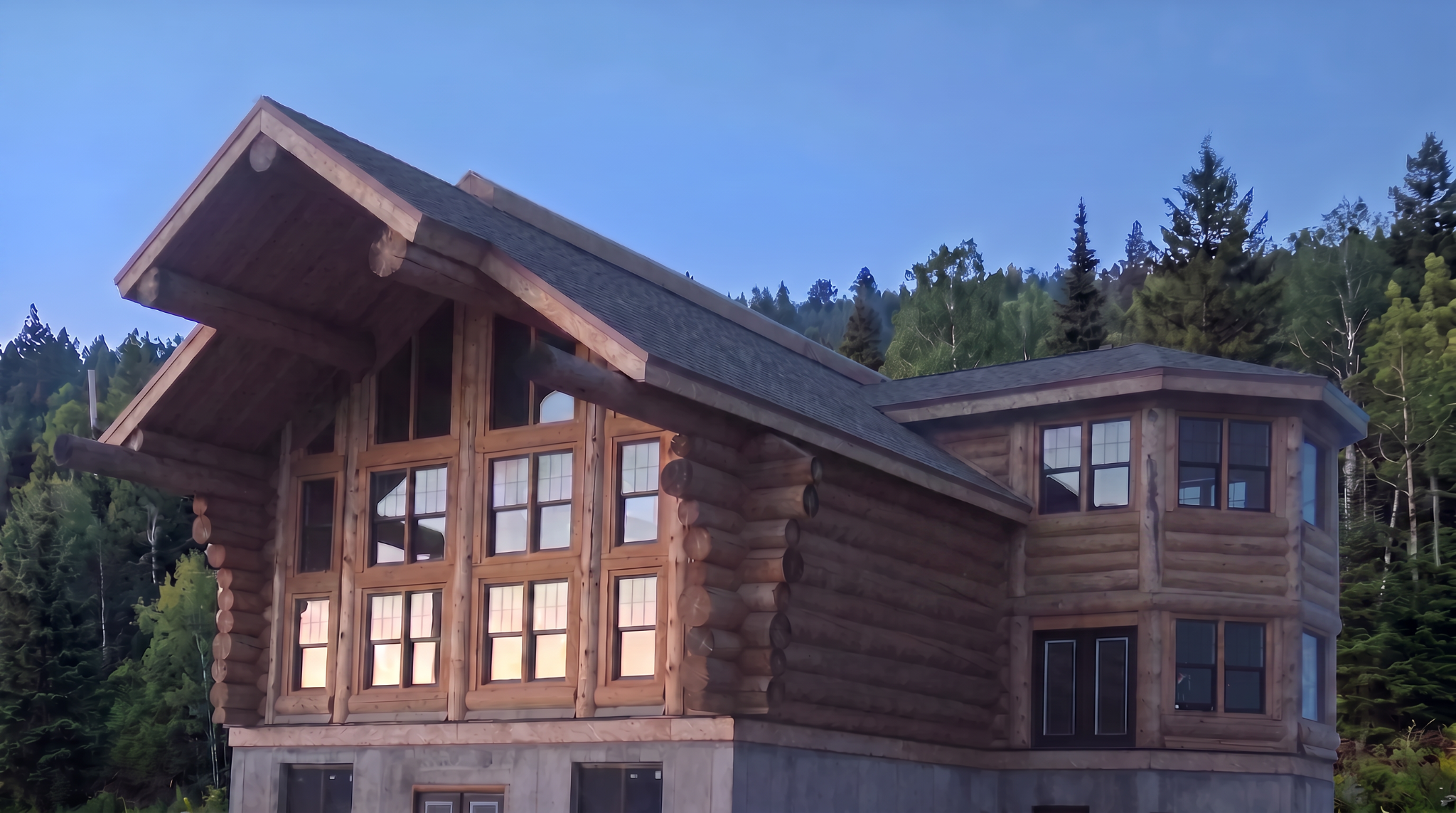
What Changes From One Montana Property to Another
The same home can become a very different project depending on where it sits. These are some of the Montana settings where property conditions can reshape the design and construction conversation early.
Bozeman, Big Sky & Southwest Montana
Mountain and canyon properties can combine snow, wildfire exposure, steep roads, limited staging, drainage, premium views, and parcel-specific zoning or development standards.
Gallatin County alone contains numerous zoning districts, including Gallatin Canyon/Big Sky and other mountain areas, so the exact parcel matters more than a broad county or regional assumption.
Whitefish, Kalispell, Columbia Falls & Lake Country
Northwest Montana can bring substantial winter weather, dense forest, wildfire exposure, private roads, steep sites, and wet-season drainage into the project.
Properties near lakes, rivers, wetlands, or flood-prone ground may also require more careful site placement and additional review before the floor plan is treated as final.
Missoula, Bitterroot Valley & Forested Acreage
Forested foothills and mountain-edge properties can put wildfire planning, slope, access, drainage, wells, septic, and year-round road conditions near the top of the list.
A full-time home also needs to work through winter: protected entries, garages, mudrooms, storage, mechanical space, and practical daily access can be just as important as the view.
Open Acreage, Ranch Land & Remote Properties
Larger parcels offer freedom, but they can also shift more of the project toward water rights, groundwater, septic, long utility runs, private roads, wind exposure, equipment access, and construction logistics.
For working or multigenerational properties, it is worth thinking beyond the main house to garages, shops, outbuildings, guest space, equipment, livestock, and how the property may evolve over time.
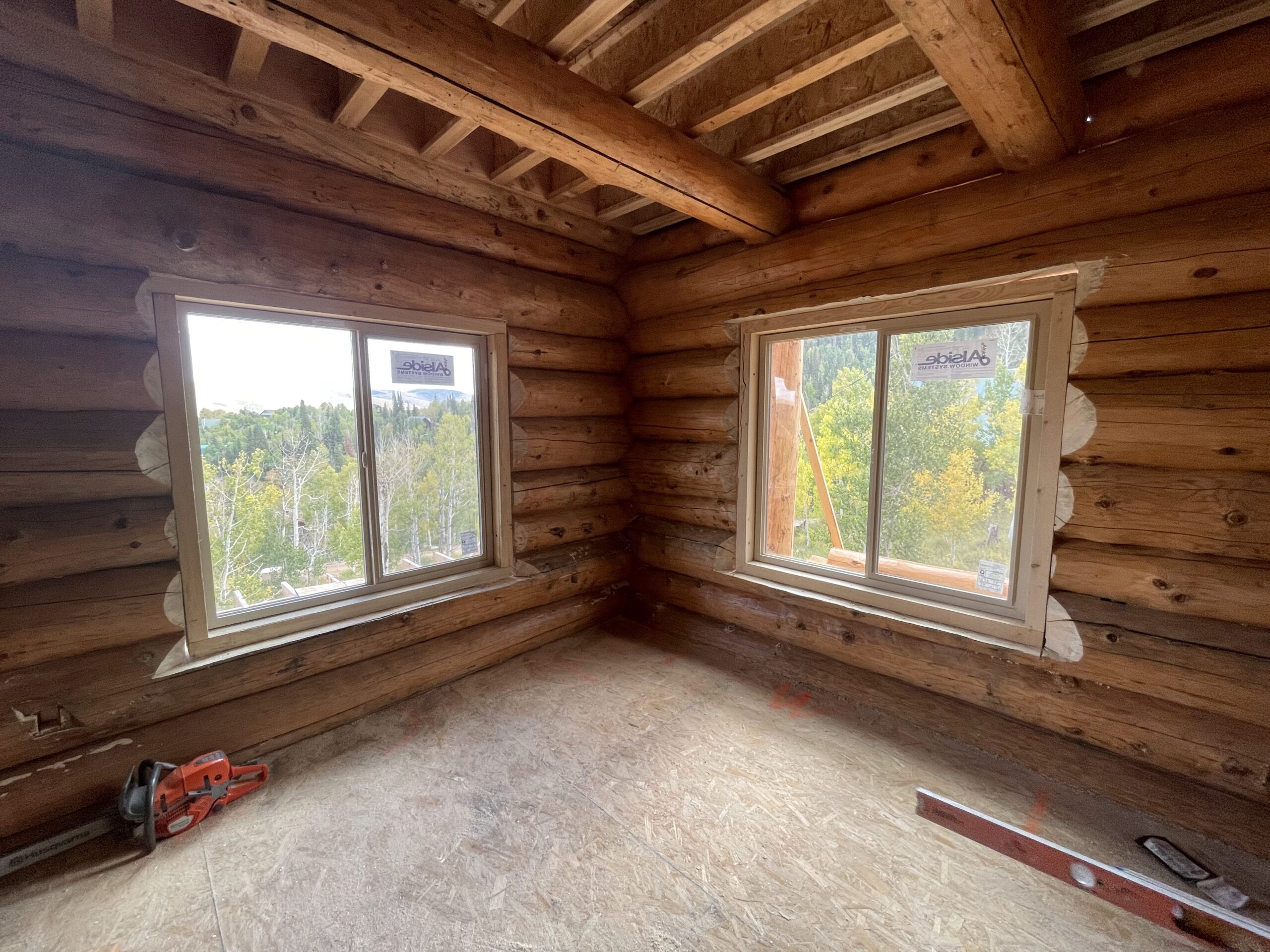
Handcrafted Logs With Natural Character
Caribou specializes in handcrafted log construction rather than mass-produced log-home kits.
Our craftsmen work with individual logs and preserve their natural taper, knots, curves, and distinctive character. No two pieces of timber are exactly alike.
Traditional Swedish cope construction allows those logs to fit together while keeping the craftsmanship visible throughout the finished structure.
- Hand-fitted Swedish cope construction
- Natural log taper and variation
- Custom floor plans and architectural details
- Design developed around your building site
- Craftsmanship visible throughout the home
Six Questions Worth Asking About Montana Land
You do not need to own land before talking with Caribou. If you already have a parcel, these questions help define the project. If you are still searching, they can help you compare properties before committing to land that may not fit the home or lifestyle you have in mind.
Who Regulates This Particular Parcel?
Building, zoning, fire, subdivision, road, and wastewater responsibilities can vary by jurisdiction. Some Montana county areas rely on state building-code administration while cities or certified local programs handle their own reviews. Start with the exact parcel.
What Are the Snow, Wind & Site Conditions?
Elevation, winter exposure, slope, soils, drainage, frost, and wind can differ sharply across Montana. Structural and foundation assumptions should be confirmed for the actual site instead of copied from another project elsewhere in the state.
What Is the Water-Right and Well Situation?
Montana regulates new water uses, including groundwater. Even smaller groundwater developments that may qualify for an exception from the full permit process can still have DNRC filing requirements. Existing water rights and the intended use should be understood before relying on a future well.
Can the Property Support Wastewater and Utilities?
Rural sites may depend on onsite wastewater, private water, propane, long electrical runs, or other infrastructure. Septic suitability and utility planning can affect where the home sits and what the property ultimately costs to develop.
How Will Wildfire Shape the Site Plan?
Forested and foothill properties may benefit from defensible-space planning, fuel management, home hardening, emergency access, and early coordination with the local fire authority. Those choices are easier before the building site and landscaping are fixed.
Can Construction — and Daily Life — Reach the Site?
Private roads, grades, switchbacks, bridges, winter plowing, equipment staging, crane access, material delivery, and distance from trades can all matter on remote property. The driveway is part of the project, not just the route to it.
Different Montana Regions Create Different Design Priorities
These are not hard service boundaries. They are examples of why a Montana log home should respond to its region, property, and intended use instead of being treated as the same project with a different address.
Bozeman & Gallatin Valley
Valley acreage, foothills, canyon sites, zoning districts, winter exposure, wildfire planning, premium views, and rapid changes between rural and developed areas can all shape the project.
Big Sky & Southwest Montana
High elevation, snow, steep access, forest, wildfire exposure, limited staging, mountain weather, and property-specific development rules make early site planning especially useful.
Whitefish, Kalispell & Flathead Valley
Forest, lake country, winter moisture, wildfire, private roads, drainage, wetlands, floodplain questions, and rural utilities can all influence where and how the home is placed.
Missoula & Bitterroot Valley
Wooded foothills, rural acreage, wildfire exposure, wells, septic, slope, road access, and long views can create very different priorities between neighboring properties.
Livingston, Paradise Valley & Park County
Wind, open exposure, mountain views, ranch settings, river corridors, rural infrastructure, and access can make orientation and property-wide planning especially important.
Ranch, Mountain & Recreational Land Statewide
Remote acreage often benefits from early planning around roads, water, septic, power, outbuildings, equipment, storage, wildfire resilience, and how the land may be used by the family for decades.
From Ranch Homes to Mountain Retreats
A Montana home may be an everyday residence, a multigenerational gathering place, or part of a much larger ranch or recreational property. The plan should reflect how the land and the home will actually be used together.
Full-Time Home
Garages, mudrooms, mechanical space, pantry storage, home offices, protected entries, winter gear, and dependable year-round access can matter just as much as the great room and the view.
Family Retreat
Large gathering rooms, flexible guest areas, bunk spaces, fireplaces, porches, and a kitchen designed for a crowd can turn a Montana retreat into a place the family returns to for generations.
Ranch or Recreational Property
Shops, garages, equipment storage, mudrooms, dog or gear wash areas, outdoor living, guest space, and future outbuildings can be planned as part of the property rather than added as disconnected afterthoughts.
Log Home Services for New and Existing Montana Properties
Caribou’s handcrafted log experience is useful whether you are beginning with open land or already own a log home, cabin, ranch structure, or timber feature that needs work.
New Handcrafted Log Homes
Custom Swedish cope log homes developed around the Montana property, climate, access, views, lifestyle, and long-term plans.
Repairs & Restoration
Help for damaged, deteriorated, or aging log structures, approached with an understanding of handcrafted log construction and how these buildings weather and move.
Rebuilds & Insurance Work
When fire, weather, structural damage, or another loss affects a log building, Caribou can help evaluate the project, plan the rebuild, and work on insurance-related projects.
Custom Log & Timber Projects
Pergolas, pavilions, driveway arches, furniture, and other custom log or timber features built with the same attention to material and craftsmanship.
Starting Your Montana Log Home
You do not need completed plans — or even a purchased property — before contacting Caribou. If you have land, we can start with the site. If you are still looking, we can start with the Montana region you are considering, the way you want to live, and the kind of home you imagine.
Tell Us What You Know So Far
That may be a property address, a listing you are considering, a general Montana area, a floor plan you like, an approximate size, or simply how you want the finished home and property to function.
Develop the Design
Use a Caribou floor plan or a custom concept as the starting point, then develop orientation, layout, windows, roof lines, outdoor spaces, and log details around the site and your priorities.
Handcraft the Structure
Once the design and project requirements are established, our craftsmen prepare and hand-fit the log and timber components using Swedish cope construction and the natural character of the individual logs.
Bring the Home Together
Site work, foundations, utilities, delivery, erection, local trades, inspections, and finish work all have to come together. Caribou stays involved so the handcrafted structure is carried through the project as intended.
Explore Log Home Floor Plans
A floor plan can help you identify the room arrangement, size, features, and architectural ideas you want without defining every detail of the finished home.
Browse Caribou floor plans for inspiration. Then adapt a plan or create something new around your Montana land and the way you want to live.
Questions Montana Buyers Often Need to Answer Early
You do not have to solve all of these before contacting Caribou. They are the kinds of questions that help turn an idea — or a piece of Montana land — into a realistic handcrafted-home project.
Does Caribou build custom log homes in Montana?
Yes. Caribou works with homeowners planning handcrafted log homes in Montana, including mountain, forest, ranch, rural, recreational, waterfront, and year-round properties.
Can I talk to Caribou if I have not found Montana land yet?
Absolutely. You do not need to own property or have a finished plan before starting the conversation. If you are still deciding between a mountain setting, ranch acreage, the Flathead Valley, the Bitterroot, Big Sky, or another part of Montana, we can begin with the home and lifestyle you have in mind.
We are not a real-estate agent, engineer, surveyor, water-right specialist, or permitting authority, but we can help you go into the land search with better questions about access, snow, wildfire, water, wastewater, utilities, terrain, and construction logistics.
What should I check before buying rural Montana acreage?
Useful early questions include legal and practical road access, winter maintenance, zoning or land-use rules, the building authority, water rights, the likely water source, septic suitability, utility distance, snow and wind conditions, slope, soils, drainage, wildfire exposure, and whether trucks and equipment can realistically reach the site.
Can I assume I will be able to drill a well on a Montana property?
No. Montana regulates new water uses. Some smaller groundwater developments can qualify for an exception from the full water-permit process, but they still have DNRC requirements and the proposed use must qualify. Existing water rights and the property's water situation are worth researching before relying on a future well.
What if the property needs a septic system?
Many rural Montana homes rely on onsite wastewater. The approving authority and review process can depend on the location and development. Soil and site conditions, setbacks, groundwater, lot layout, and system design can affect where the house can practically be placed.
How should wildfire affect a Montana log-home site plan?
Forested and foothill properties benefit from thinking about the entire home ignition zone: vegetation, debris, decks, roof and exterior details, emergency access, fuel separation, and defensible space. Montana DNRC specifically encourages home hardening and defensible-space planning as part of living with wildfire.
Are building and zoning rules the same across Montana counties?
No. Responsibilities can vary by city, county, zoning district, and whether a local government administers its own certified building program. Gallatin County, for example, has numerous separate zoning districts, while state building-code administration applies in some county areas. The exact property should be checked early.
Can a Caribou floor plan be adapted to a steep, wooded, or exposed Montana lot?
Yes. Our floor plans are starting points rather than fixed kits. Slope, foundation strategy, driveway access, snow, wind, drainage, wildfire planning, views, retaining needs, and equipment access can all influence how an existing design should be adapted.
Should a ranch home be planned differently from a mountain retreat?
Often, yes. A ranch or acreage home may need shops, equipment storage, larger garages, durable entries, guest space, animal or property-management needs, and room for future outbuildings. A mountain retreat may place more emphasis on snow, compact access, guest sleeping, gear storage, views, and seasonal use. The property should shape those priorities.
Does Caribou repair or restore existing log homes in Montana?
Yes. In addition to new handcrafted homes, Caribou works on repairs, restoration, rebuilds, and insurance-related projects. We also build custom log and timber features such as pavilions, pergolas, driveway arches, and furniture.
What do I need before I contact Caribou?
Very little. You might have land, a property listing, a general Montana area, a floor plan you like, a few inspiration photos, an approximate size, or simply the idea that you want to build a handcrafted log home. Any of those is enough to begin.
If you already have surveys, site information, water records, covenants, zoning information, or other property documents, they can be useful. If you do not, that should not keep you from reaching out. Part of the early process is understanding what information will become useful next.
Planning a Log Home in Montana?
Whether you already own Montana property or are still deciding where you want to build, tell us what you have in mind. We can start with the land, a floor plan, a preferred region, or simply your vision for the home and help you understand what the next step could look like.